Three Hidden Ways Tariffs Are Messing with Your Supply Chain
Tariffs are raising more than prices. They’re quietly disrupting small business supply chains everywhere. Learn what to watch for and how to fix it fast.


Published under The Operations Hat on HatStacked.com
Every small business owner knows that tariffs make stuff more expensive. But what most people miss is how those same tariffs quietly clog up your shelves, scramble your delivery timing, and turn your cash flow into an Olympic event. This is the hidden side of tariff chaos, and it’s probably happening in your supply chain right now.
The tariff trap nobody warns you about
When tariffs hit the news, the headlines always sound the same. “New trade penalties.” “Government imposes new duties.” “Global supply chain reacts.”
But what those stories rarely explain is what happens after the tariff hits. If you run a small business, you don’t just see the price of goods rise. You see your lead times stretch, your reorder math go sideways, and your storage space slowly fill with the wrong stuff.
That’s the real pain point. Tariffs don’t just raise costs. They rewrite how your supply chain behaves. And half the time, you won’t notice until you’re staring at a warehouse full of things you don’t need.
Let’s break down the three sneakiest ways tariffs mess with your supply chain, and how to untangle the mess before it eats your margins.
1. The “Just-in-Time” system that just stopped working
Before tariffs, many small businesses lived happily in a just-in-time world. You’d order what you needed when you needed it. It was neat, lean, and cost-efficient.
Then tariffs rolled in, and suddenly your supplier started talking about “batch orders” and “freight consolidation.” What used to arrive in two weeks now takes six. Instead of flexible reorders, you’re writing big checks for big shipments to save on per-unit costs.
Congratulations, you now run a mini warehouse.
The fix? Rebuild your reorder rhythm.
- Reforecast based on lead times, not just sales velocity.
- Add buffer stock on your top sellers only, not everything.
- Schedule orders around tariff cycles or supplier shipping dates when possible.
If you treat tariffs like an occasional thunderstorm, you’ll get soaked. Build your operations around them like weather patterns that always come back.
 Related: How Tariffs Are Quietly Rewriting Small Business Pricing
2. Hidden costs sneaking into your “safe” products
Even if your product itself isn’t directly hit by a tariff, it probably depends on something that is.
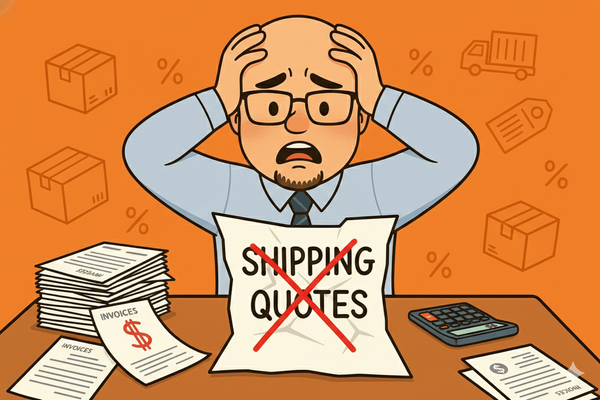
Your packaging, your parts, your freight, your warehouse supplies... something in that chain now costs more. Suppliers might not tell you outright. Instead, they quietly bake those costs into your next quote.
That’s why a widget that used to cost $2.10 is suddenly $2.43 with no clear reason.
If you don’t catch it early, that difference compounds through your entire inventory. You raise your prices too late, your profit shrinks, and your accountant politely asks if you’re sure you know what you’re doing.
The fix? Trace the ripple.
- Ask suppliers for a cost breakdown on every quote refresh.
- Track total landed cost per SKU, not just purchase price.
- Add a quick column in your pricing sheet for “tariff impact.” Even a rough estimate helps you see which items are exposed.
The goal isn’t perfection. It’s visibility. You can’t defend a margin you can’t see.
3. The inventory you didn’t plan for (and can’t sell fast enough)
This one hurts.
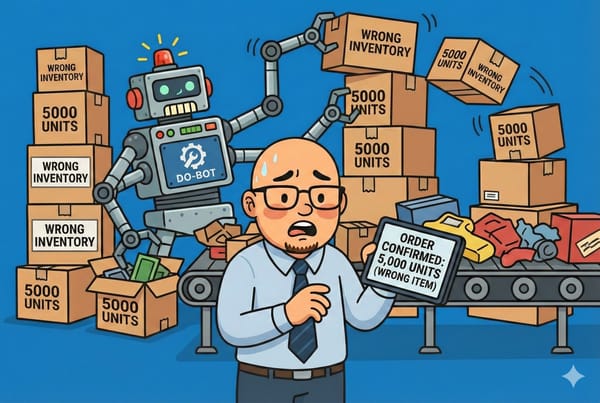
When tariffs rise, suppliers and distributors often buy ahead to “beat the deadline.” That sounds clever until you realize your shelves are now packed with expensive inventory that might sit for months.
And the longer it sits, the worse it gets.
Insurance costs rise. Cash flow dries up. And that inventory becomes the business version of a gym membership... you’re paying for it, but you’re not using it.
The fix? Get aggressive about inventory discipline.
- Recalculate your reorder points using today’s costs, not last year’s numbers.
- Offload dead stock through bundles, sales, or secondary channels. Some money back is better than none.
- Tighten your forecasting loop so you never buy ahead unless it’s strategic.
If you can keep stock levels in check during tariff chaos, you’re already ahead of most businesses your size.
The hidden mental tax
Tariffs don’t just cost money. They eat time, attention, and mental bandwidth. Every new rule means more reading, more forms, and more math.
That exhaustion leads to poor decisions. Maybe you skip a price review. Maybe you place a reorder just to “get it off your desk.” That’s how small problems become expensive ones.
The way to win isn’t to know every trade policy. It’s to keep your own system simple and consistent.
- Record your true costs every time.
- Review your prices regularly.
- Build a rhythm that doesn’t depend on panic.
Your supply chain doesn’t need to be perfect. It just needs to be predictable enough that tariffs can’t throw you off balance.
The small business playbook for tariff turbulence
To recap:
- Your just-in-time system might need a just-in-case backup.
- Track the tariff ripple, even if your main product isn’t directly hit.
- Control your inventory before it controls your cash flow.
Tariffs aren’t going anywhere. They change, they fade, they come back in new clothes. The trick is to make sure your business doesn’t get whiplash every time they do.
When you run a small business, you can’t outmuscle trade policy. But you can outsmart it with good systems, clear data, and a pricing strategy that bends without breaking.
That’s the real advantage. Staying calm while everyone else is scrambling for a calculator.