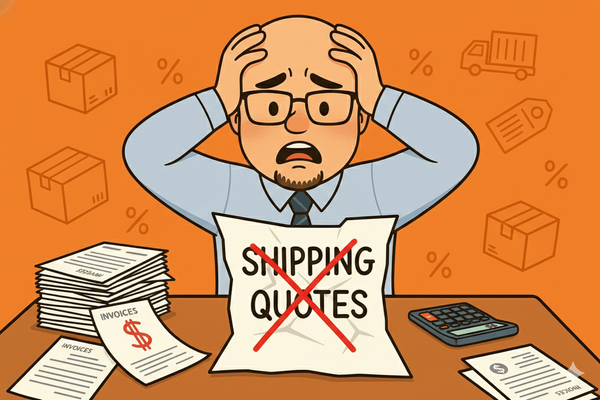
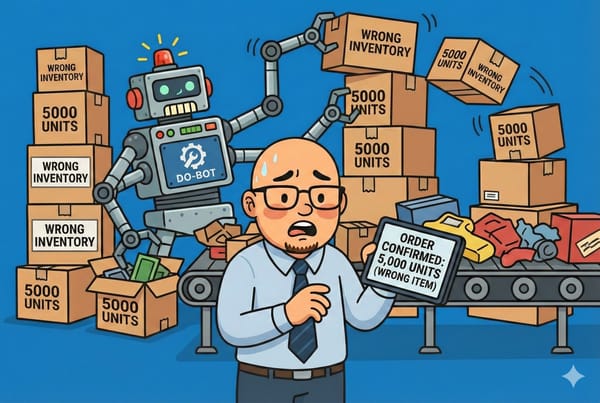
The Inventory Hat: Why You’re Probably Overbuying, Underselling, and Confused About Reordering
Running out of bestsellers and buried in stuff that won’t move? Learn small business inventory tips that won’t require an MBA—or a forklift.


"Inventory is like a houseplant: ignore it and it dies. Pay too much attention and you accidentally drown it."
Welcome to The Inventory Hat, where we dig into everything your supply closet (or garage, or storage unit) doesn’t want you to know.
Whether you sell handmade candles, lawn equipment, pet snacks, or designer socks, inventory is the lifeblood of your business—and probably the reason your back hurts. This post is your go-to guide for building smarter inventory habits that won’t burn your time, space, or sanity.
Why Inventory Management Gets Messy Fast
Small business owners wear a lot of hats, but this one? It’s the hat that comes with boxes. Lots of boxes.
Here’s what usually happens:
- You get excited and overorder.
- Or you underorder, run out, and scramble.
- Or you forget what you even have in stock.
- Or you "just wing it" until tax time, when your accountant asks what happened to 37 units of something you don’t remember buying.
Sound familiar?
The 3 Core Problems: Overbuying, Underselling, and Reordering Blind
1. Overbuying:
That “great deal” on 1,000 tote bags? Now they’re taking up your guest room and still haven’t sold.
Why it happens:
- You didn’t track sales trends
- You trusted your gut (which, in fairness, is usually reliable on tacos)
- You didn’t want to run out again
2. Underselling:
You stock the shelves... and nothing moves.
Why it happens:
- You’re selling the wrong items or in the wrong quantities
- You don’t promote your inventory effectively
- You have no idea what’s actually moving
3. Blind Reordering:
You reorder because you think you need it, not because the numbers tell you to.
Why it hurts:
- You tie up cash
- You fill your space with dust collectors
- You miss out on opportunities to invest elsewhere
Step 1: Know Your ABCs (Always Be Counting)
Even if it’s manual, tracking inventory is better than guessing.
Start simple:
- Use a Google Sheet with SKUs, stock counts, dates, and supplier info
- Update it every time you buy or sell
Tools like Sortly, Zoho Inventory, or Cin7 Core can help automate this once you're ready.
Step 2: Use the Power of "Par Levels"
A "par level" is the minimum amount of stock you want on hand before reordering.
To set it:
- Calculate average weekly usage
- Factor in lead time (how long it takes to restock)
- Add a buffer (life happens)
Formula:
Par Level = (Average Daily Usage × Lead Time in Days) + Safety Stock
You don’t need software to do this. But you do need consistency.
Step 3: Schedule Regular Inventory Audits
Set a reminder. Once a month, or once a quarter at minimum:
- Count what's on hand
- Update your tracking sheet
- Identify dead stock (stuff that hasn’t moved in 6+ months)
- Check expiration dates or damage
Even a 15-minute audit beats crossing your fingers and hoping.
Step 4: Calculate Inventory Turnover Rate
This tells you how often you sell and replace stock.
Formula:
Turnover Rate = Cost of Goods Sold / Average Inventory Value
The higher the rate, the more efficiently you're moving product.
If your turnover rate is low, it's time to:
- Run a sale
- Bundle slow-movers
- Stop reordering them
Step 5: Use Your Inventory to Drive Marketing
Your inventory shouldn’t just sit there. It should help you SELL.
Ideas:
- Promote "back in stock" items
- Create urgency with low-stock callouts
- Pair inventory data with customer behavior for smart upsells
For example, if blue mugs always sell with coffee beans, bundle them.
What to Do with Dead Stock
No one wants to admit to dead inventory—but it happens.
Options:
- Run a flash sale
- Donate for a tax write-off
- Repackage or rebrand
- Use as freebies to incentivize purchases
Whatever you do, don’t let it just sit there taking up space and mental bandwidth.
Real Talk: You Don’t Need Fancy Systems to Stay on Top of Inventory
Start with:
- A shared spreadsheet
- A habit of updating it weekly
- A calendar reminder to audit
- A par level sheet taped inside your stock closet
You’ll be amazed how much clarity this adds.
Final Thought: If You Don’t Wear the Inventory Hat, It’ll Wear You
Inventory isn’t just a backroom problem. It touches every part of your business:
- Marketing
- Cash flow
- Customer satisfaction
- Your mood on a random Tuesday
So go ahead. Pull on that Inventory Hat. Just maybe... don’t overorder the hats.
📬 Join the HatStacked Newsletter
Weekly tips, tools, and insights to make your small business feel a little less chaotic.
Subscribe