The Contracts That Protect You From Clients Who "Forget to Pay"
Clients don’t “forget” to pay—they forget accountability. Here’s how small business owners can use contracts to protect themselves and actually get paid.


Published under The Legal Hat on HatStacked.com
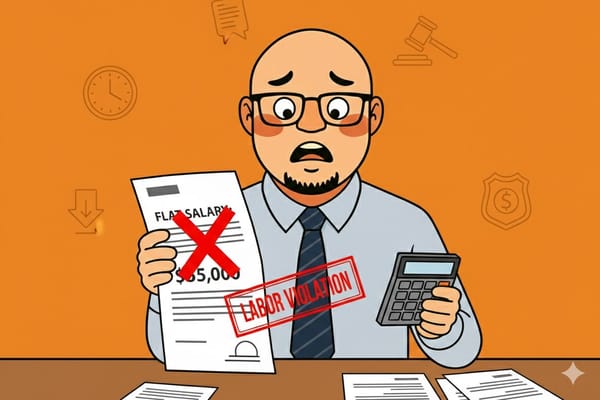
You don’t need a law degree to know this one: the client who “forgets to pay” didn’t actually forget. They remembered Netflix. They remembered their kid’s field trip money. They remembered that fancy coffee order. What they didn’t remember was your invoice.
Why Contracts Matter More Than Your Gut Feeling
Small business owners are optimists by nature. We assume the best, shake hands, and hope everyone plays nice. Then someone “accidentally” pays you 90 days late or ghosts you altogether.
That is when you realize: contracts are not paperwork. They are armor.
A good contract:
- Defines payment terms so no one can claim ignorance.
- Spells out consequences if the check doesn’t arrive.
- Gives you leverage in court (or at least in the awkward “I’ll see you in small claims” email).
Without one, you’re just unpaid and powerless.
 Related: How to Write Terms and Conditions That Actually Protect You
The Anatomy of a Payment-Proof Contract
Let’s strip out the legal jargon and keep it simple. Here are the bones:
-
Clear Scope of Work
State exactly what you’re doing. If you’re making a logo, say one logo with two revisions, not “some branding stuff.” -
Payment Terms That Don’t Invite Abuse
Net 7 or Net 14 is your friend. Net 30 is basically a loan to your client. -
Late Fees That Actually Sting
“2% per month” generates action. -
Kill Fee Clause
If they cancel, you still get paid for the time you invested. -
Ownership Upon Payment
No pay, no play. They don’t get to use your work until the money clears. -
Jurisdiction and Venue
Pick your home turf. Don’t end up flying to Delaware to chase $500.
When “Friendly” Turns Into “Freeloader”
The toughest part of enforcing contracts is emotional. You like your clients. You want to believe them. But here’s the hard truth: the ones who smile the biggest are sometimes the ones who never pay.
Common warning signs:
- “We’ll pay once we land our next investor.”
- “I don’t think we need a contract, we’re basically family.”
- “Can you just start, and we’ll settle the paperwork later?”
Translation: prepare for late nights and late payments.
How to Write Contracts Without Spending $5,000 on a Lawyer
Relax. You don’t need a 60-page corporate agreement. You need a document written in plain English that makes expectations impossible to ignore.
- Templates exist: Start with one from a reputable source (Rocket Lawyer, LegalZoom, SCORE).
- Customize the key points: Payment terms, scope, late fees.
- Stay human: “You’ll pay me $500 by the 15th of each month. If not, it’s a $25 late fee.” Your client will understand that faster than “remuneration shall be delivered…”
And yes, you should have a lawyer review your “master contract” at least once. Think of it as insurance.
Stories From the Battlefield
Let’s be real: contracts don’t stop all nonsense. They just give you teeth when it happens.
- The Slow-Pay Startup: Promised exposure, paid in excuses. The contract’s late fee clause turned “we’re strapped” into “check’s in the mail” real quick.
- The Disappearing Wedding Client: Walked away two weeks before the big day. Kill fee clause saved the photographer’s mortgage payment.
- The Copycat Consultant: Tried to use work without paying. The “ownership upon payment” clause made them cough up or risk being shut down.
Enforcing Without Burning Every Bridge
Enforcement doesn’t always mean nuclear war. Start light, escalate when needed.
- Friendly Reminder: Assume the best. A polite nudge goes a long way.
- Formal Reminder: Quote the contract. Bold the due date. Add late fee math.
- Final Notice: Certified mail, with language like “per our agreement.”
- Collections or Small Claims: Last resort, but sometimes necessary.
Pro tip: Often, just copying the clause into the email is enough to flip the switch from “ignore” to “urgent.”
Digital Tools That Make Contracts Less Miserable
Paper contracts in a file cabinet are one step above nothing. Go digital.
- E-signature platforms: DocuSign, HelloSign, PandaDoc. Easy, fast, trackable.
- Invoicing with contract terms attached: QuickBooks, FreshBooks, Xero.
- Client portals: Let them log in, see terms, see invoices. No excuses.
Sleep Better Knowing You’re Covered
Running a small business already comes with enough 3 a.m. worries. Your contracts shouldn’t be one of them.
Think of a solid contract like a weighted blanket for your finances: you relax knowing it’s there.
Because at the end of the day, clients don’t actually “forget” to pay. But with the right contract, they’ll definitely remember the late fee.
Related: Why Small Business Owners Don’t Sleep (And What Might Help)