25 Small Business Mistakes You’ll Probably Make (And How to Recover)
Every business owner makes mistakes. Here are 25 of the most common small business blunders and how to recover from each.


Published under The Entrepreneur Hat on HatStacked.com
Owning a small business is like juggling chainsaws while blindfolded. You will drop one. Maybe several. The real question is: do you know how to pick them up without losing a limb?
The Truth About Business Mistakes
If you’re running a small business, you will make mistakes. Not a few, not one or two, but a full parade of them. Some will be tiny (ordering the wrong printer ink), others catastrophic (missing payroll). The good news is almost every mistake has a way forward. What follows are 25 of the most common small business mistakes, paired with how you can recover when you inevitably stumble into them.
1. Mixing Personal and Business Money
Swipe your personal credit card for a business expense once, and suddenly you’re untangling a ball of yarn that even your accountant doesn’t want to touch.
Recovery: Get a dedicated business bank account and card. If you messed up already, transfer the funds properly and note it in your books.
2. Forgetting Payroll
There is no faster way to tank morale than realizing payday came and went without deposits.
Recovery: Issue manual checks immediately, then set up an automated payroll system to prevent it happening again.
 Related: The Week I Forgot to Pay Us All
3. Ignoring Bookkeeping Until Tax Season
The “shoebox full of receipts” approach is less a system and more a cry for help.
Recovery: Catch up in chunks. Hire a bookkeeper or use software like QuickBooks Online or Xero, and don’t let receipts stack past a week.
4. Underpricing Your Products
If your pricing strategy is “slightly cheaper than the other guy,” you’re already bleeding.
Recovery: Factor in overhead, labor, taxes, and profit. Then, communicate value so customers understand why you charge what you charge.
5. Forgetting About Taxes Entirely
Unpaid quarterly taxes can sneak up like a horror movie jump scare.
Recovery: Set aside a fixed percentage of every sale into a separate “tax account.” Pay quarterly, not yearly.
6. Blowing Your Entire Marketing Budget on One Channel
You boosted one Facebook post, didn’t track results, and now you’re broke.
Recovery: Diversify. Test small on multiple channels (Google, email, local sponsorships) before scaling.
Related: 5 DIY Ways to Market Your Business Without Paying Meta a Dime
7. Ignoring Customer Reviews
You can’t build trust if your last review is from 2018 and it’s about a missing shipment.
Recovery: Actively request reviews on Google or Trustpilot. Respond to negative ones quickly and professionally.
8. Copying Competitors Instead of Standing Out
If your website looks like a carbon copy of the guy across town, why should anyone pick you?
Recovery: Highlight your unique process, values, or customer service. “Different” sells better than “same.”
9. Hiring Too Fast
The wrong person in the wrong seat can cause more chaos than an empty seat.
Recovery: Slow down hiring. Vet properly, and if you’ve already hired a disaster, let them go quickly.
10. Avoiding Firing Altogether
Sometimes you keep someone because confrontation feels worse than the damage they cause.
Recovery: Rip the band-aid. Document everything, follow HR rules, and prioritize your team over one toxic employee.
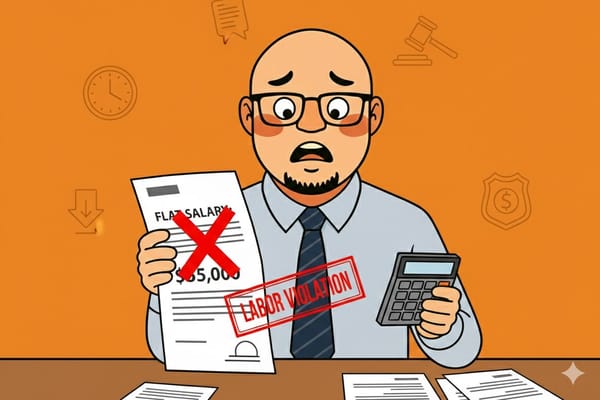
11. Ignoring HR Compliance
Employment laws are not optional. “But we’re small” is not a defense.
Recovery: Learn your state’s requirements for payroll, overtime, leave, and reporting. Get an HR consultant if you’re lost.
12. Letting a New Hire Disappear Into Leave Chaos
That one person who takes leave before their first week is over? It happens.
Recovery: Have clear leave policies in writing and require documentation. Protect your business with contracts and unemployment dispute records.
Related: Hiring Mistakes That Can Cost You: How We Beat a False Unemployment Claim
13. Forgetting IT Security
No backups, no firewalls, no plan. Hackers love you.
Recovery: Set up automatic backups, enable multi-factor authentication, and update passwords regularly.
14. Running a Business on Cheap Hosting
Downtime equals lost sales. That “$3 a month” web host was a trap.
Recovery: Migrate to a reputable host. For ecommerce, reliability is more important than shaving a few dollars off hosting.
15. Skipping Vendor Contracts
A handshake deal works until it doesn’t.
Recovery: Put every agreement in writing. Use templates if nothing else, but get signatures.
16. Launching Without Testing Tech
You thought “go live” meant “it’ll work fine.” Then the checkout button failed.
Recovery: Always test in a sandbox environment before changing live systems.
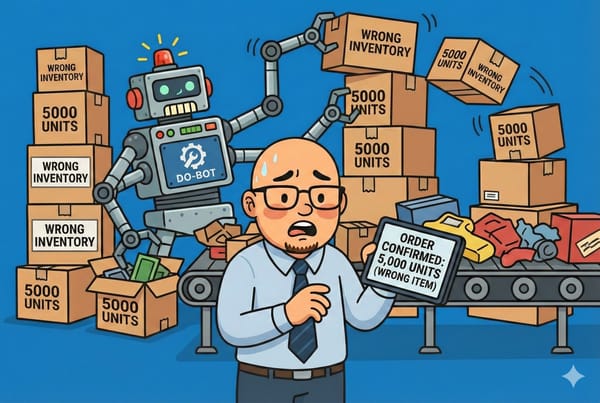
17. Ignoring Inventory Control
Over-order and cash is tied up. Under-order and sales die.
Recovery: Use inventory software. Review reorder points monthly.
18. Forgetting Your Own Marketing Message
If your elevator pitch sounds different every week, no one knows what you do.
Recovery: Write down a simple positioning statement. Train your team to use it consistently.
19. Skipping Insurance (and Learning Too Late)
That “cheap policy” didn’t cover the actual disaster.
Recovery: Review coverage annually with a broker. Make sure you’re covered for liability, property, and cyber if relevant.
20. Signing a Bad Lease
You thought you were getting a bargain. You got a trap.
Recovery: Negotiate out early if possible. Next time, pay a lawyer to review every clause.
21. Trying to Do It All Yourself
You’re founder, accountant, marketer, janitor, and IT help desk. Burnout is coming.
Recovery: Outsource what you can. Hire part-time. Let go of tasks that don’t need your fingerprints.
22. Refusing to Delegate
Even if you hire help, you still cling to every decision.
Recovery: Train your team and step back. Trust is cheaper than burnout.
23. Forgetting Self-Care
You can’t lead a company if you’re sick, exhausted, or resentful.
Recovery: Schedule real time off. Protect your sleep. You are not a machine.
24. Ignoring Market Changes
If your product hasn’t changed in 10 years, your customers probably have.
Recovery: Keep listening. Survey customers. Adjust your offer before your competitor does.
25. Never Asking for Help
The deadliest mistake is thinking you’re supposed to have all the answers.
Recovery: Build a peer group. Read, ask, hire. HatStacked itself exists to make sure you don’t feel alone in the chaos.
Wrapping It Up
Small business mistakes aren’t failures, they’re tuition payments. The trick is not to avoid them altogether, but to survive them, learn quickly, and share what you learned with others. If you’ve made three, ten, or all twenty-five of these mistakes, you’re in good company. The only true mistake is pretending you haven’t.